Why every working photographer shoots with two bodies
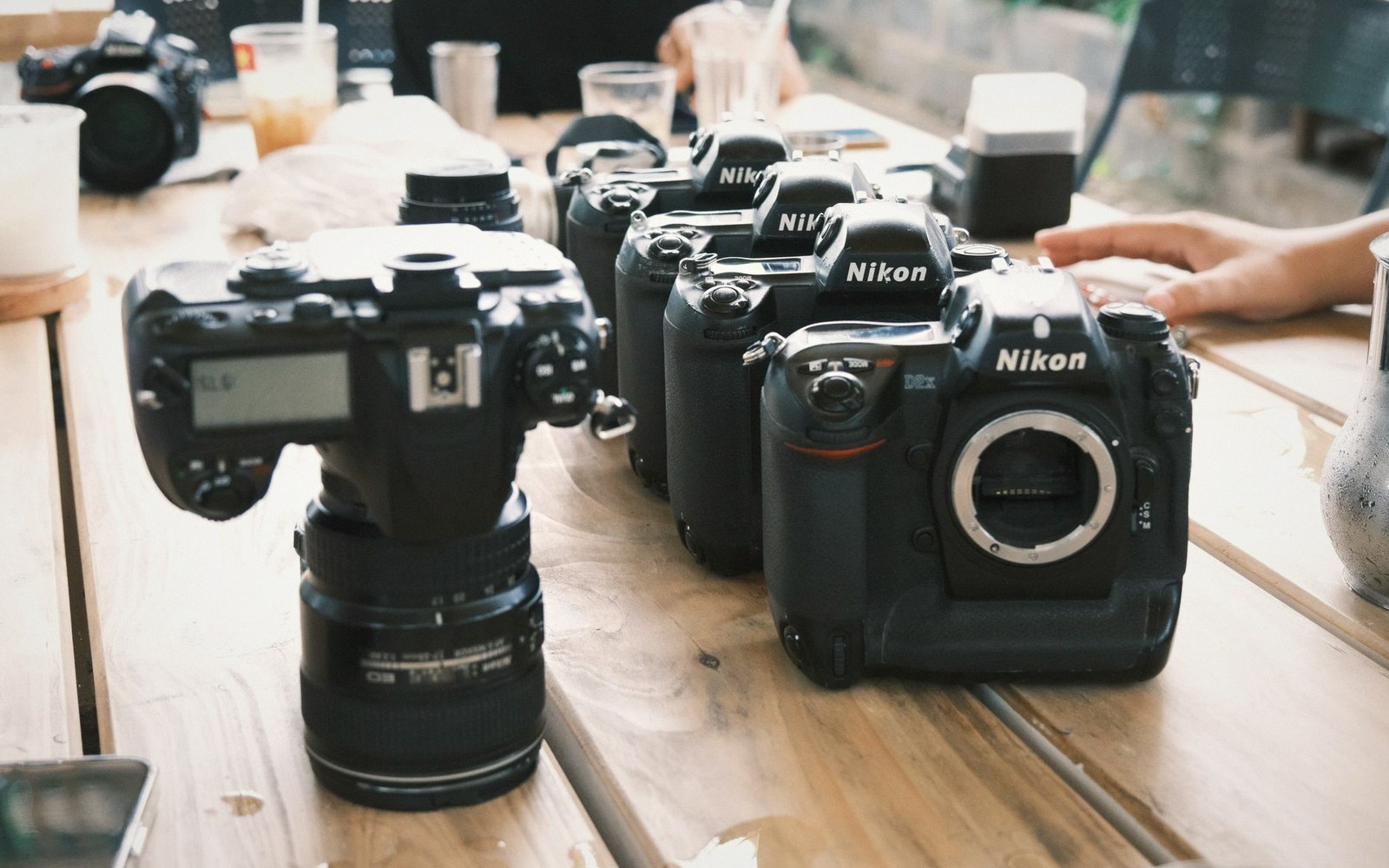
A wedding does not pause. The ring goes on once, the first dance begins without warning, and the doors to the ceremony room open on someone else's schedule. No photographer who works weddings professionally shoots on one body alone, and the reason is not redundancy for its own sake — it is the fundamental nature of a day that runs in real time and offers no second take.
The first camera typically carries a longer lens: something in the 70–200mm range that compresses a room, pulls a face out of a crowd and lets the photographer work from a distance without breaking the moment. The second body carries a wider lens — 35mm or 50mm — for the close, loose, environmental frame: the whole table, the small room, the moment someone leans in. Switching bodies takes under a second. Changing a lens takes thirty, which is twenty-nine seconds too many when the flower girl has just done something unrepeatable.
There is also the question of light. A long lens at a church door in flat midday sun needs a different exposure from a wide lens pointed into a candlelit reception. Rather than stopping to dial in settings, experienced photographers configure each body for its environment at the start of a sequence and leave it there. The working light changes across an afternoon, and the camera already in your hand needs to be ready when it does.
Memory card failure is rare with modern cards but not impossible, and sensor faults do happen. A photographer who loses a body mid-day can finish the job on the second. A photographer who shoots on one body loses the job. Beyond insurance, there is also fatigue: a long body with a heavy zoom held for eight hours produces a particular kind of wrist strain, and alternating between two lighter configurations spreads the load.
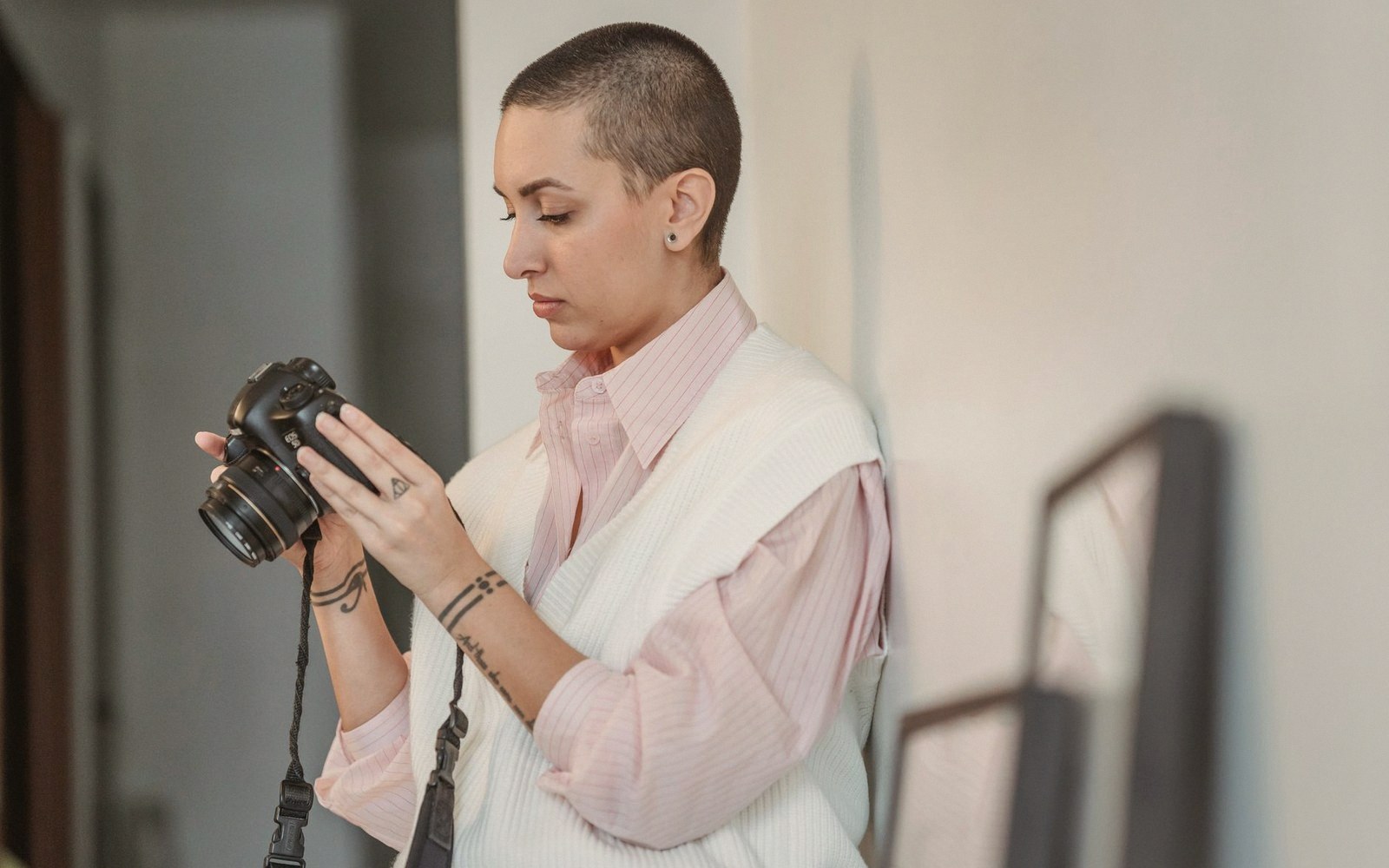
Two cameras is not a luxury; it is a minimum professional standard. The second body hanging from a second strap is not a backup waiting for disaster. It is an active tool, already set, already ready — the physical answer to a day that has no pause button and no interest in a photographer's equipment problems.