What the clock does to a room
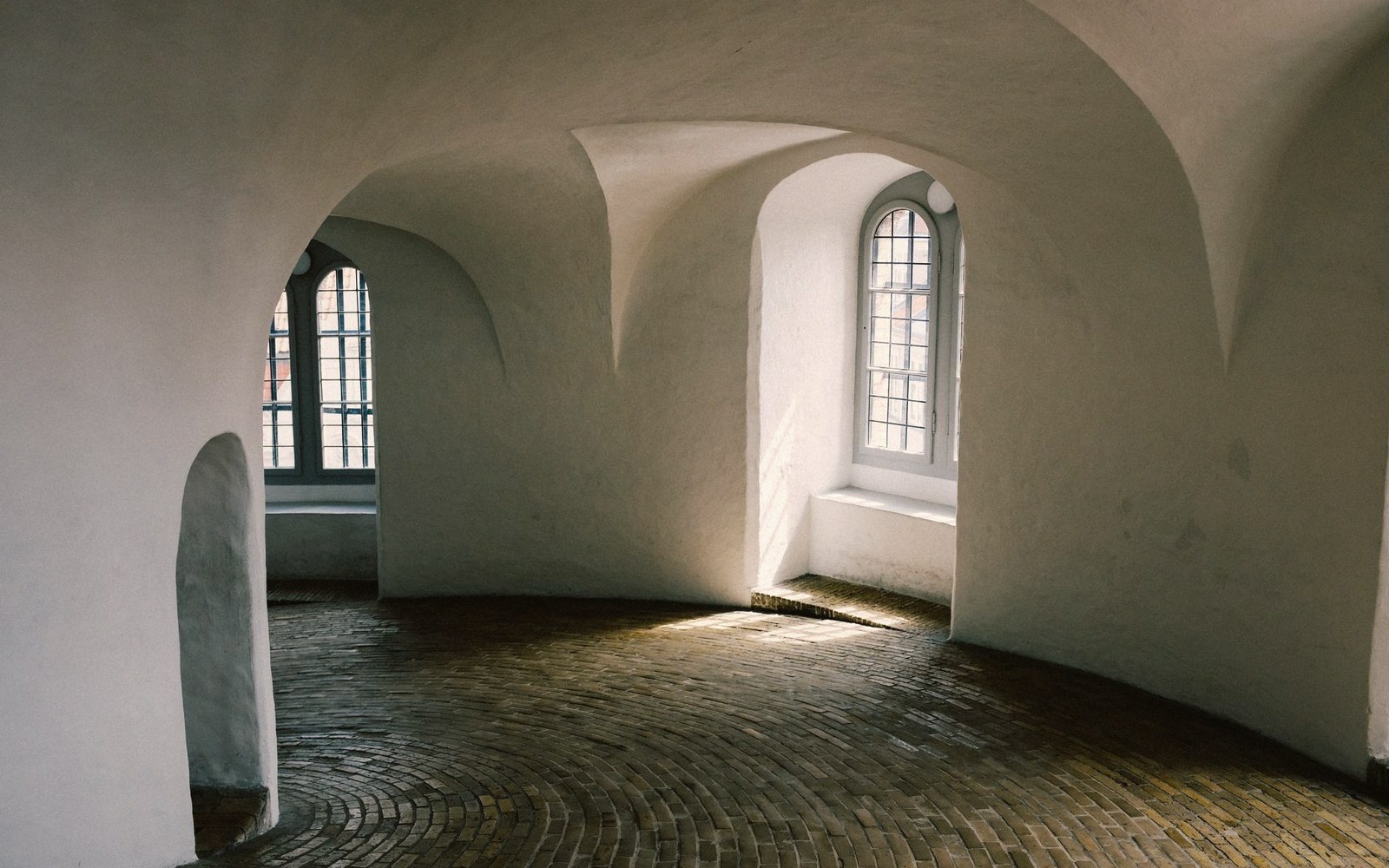
A wedding reception hall at noon looks nothing like the same room at six in the evening, and the photographer who has only seen it at noon is already behind. Light is directional, and its direction moves. A south-facing bank of windows that floods the ceremony space with soft, diffused brightness at eleven will throw hard bars of orange across the same floor by four, cutting guests into stripes of overexposure and shadow. The photographer cannot move the windows. What they can do is understand, in advance, where the light will be and what it will do at each hour the schedule demands a picture.

That understanding comes from reading the room before the day. Which wall faces east — and so catches the best light in the morning but goes flat and shadowless by midday? Where does the ceiling drop, and will bounced flash work there, or will it simply create a muddy wash? In a marquee, the answer changes again: canvas diffuses sunlight beautifully for about three hours of the afternoon, then becomes a hot, featureless white box as the sun drops to the horizon and hits the side wall directly. The competent photographer has been to the venue, or has studied it closely enough from the schedule and a site visit to know what they are walking into.
The four problem moments
The first is full midday sun outdoors. It is merciless in a way that flatters almost nobody. Shadows fall straight down from brow ridges and noses; skin loses texture in the highlights and gains none in the midtones. If the group shot is scheduled here, the photographer will need open shade — the shadow side of a building, the canopy of a tree with high, even cover — or will have to turn everyone so the sun is behind them and fill in the faces with a reflector or a low-power flash. Neither is invisible work, but both are manageable if the photographer has already identified the patch of open shade before the guests assemble.
The second problem is the reception room during the meal service when ambient light is mixed: daylight still coming through windows on one side, candles or warm tungsten pendants on the other. These two sources have very different colour temperatures — daylight runs blue-white, tungsten runs amber — and a camera set for one will render the other as either a clinical blue or a muddied orange. The workable answer is to expose for the warmer, darker ambient and let the window light serve as a rim or fill rather than trying to balance both. Auto white balance is unreliable here; the photographer sets it manually or in Kelvin, and adjusts if the room changes as service proceeds.
Third is the first dance, almost always in a low-lit room with coloured wash lighting from a DJ rig or installed fixtures. The light is not still — it strobes, rotates and changes colour across a single second of exposure. A wide aperture and a high ISO are baseline requirements, but the critical skill is reading the rig: where is its brightest consistent source, and can the couple be positioned so at least one key light falls on their faces rather than painting their backs? This is coordination, not luck — the schedule may allow the photographer ten seconds to reposition before the music starts.
The fourth problem is the end of the evening, when the available light is whatever remains after the DJ rig has been the room's dominant source for two hours. By this point, battery-powered flashes earn their keep. A small off-camera unit held at arm's length, or triggered wirelessly from a second position, gives the photographer control back when the environment has stopped cooperating.
What is always there
Through all of this, the one constant is the quality of overcast daylight. Wedding photographers learn early to welcome cloud. It turns the sky into an enormous soft box, wrapping light evenly around faces, opening shadows and making colour accurate and reproducible. An overcast afternoon on a summer wedding is often a better photographic environment than a bright, sunny one — the contrast is low, the exposure latitude is forgiving, and faces look like themselves rather than studies in extreme highlight and shadow. The light was not arranged for the photographer. On a grey day, it barely needs to be managed.