
Reading a timetable that wasn't written for you
The running order arrives weeks before the wedding, drawn up by a coordinator or the couple or sometimes a venue operations manager who has never held a camera. It is a logistics document: ceremony at two, drinks at half three, first dance at nine. Every entry records when something happens. None of it records where the light will be, what angle the room faces, or how long it takes to move forty people from a car park to a terrace and back again.
A photographer reads that timetable differently from everyone else in the building. The ceremony time is also the sun angle. The drinks reception slot is also — if the venue faces west — the best natural light of the afternoon, and it is filled with people standing in groups eating canapés. The portrait window, usually pencilled in for twenty minutes between drinks and dinner, lands in whatever light is left after everything else has been placed around it. Twenty minutes is also almost nothing: five of it will be walking, five of it will be gathering people, and the actual making of pictures happens in the narrow middle.
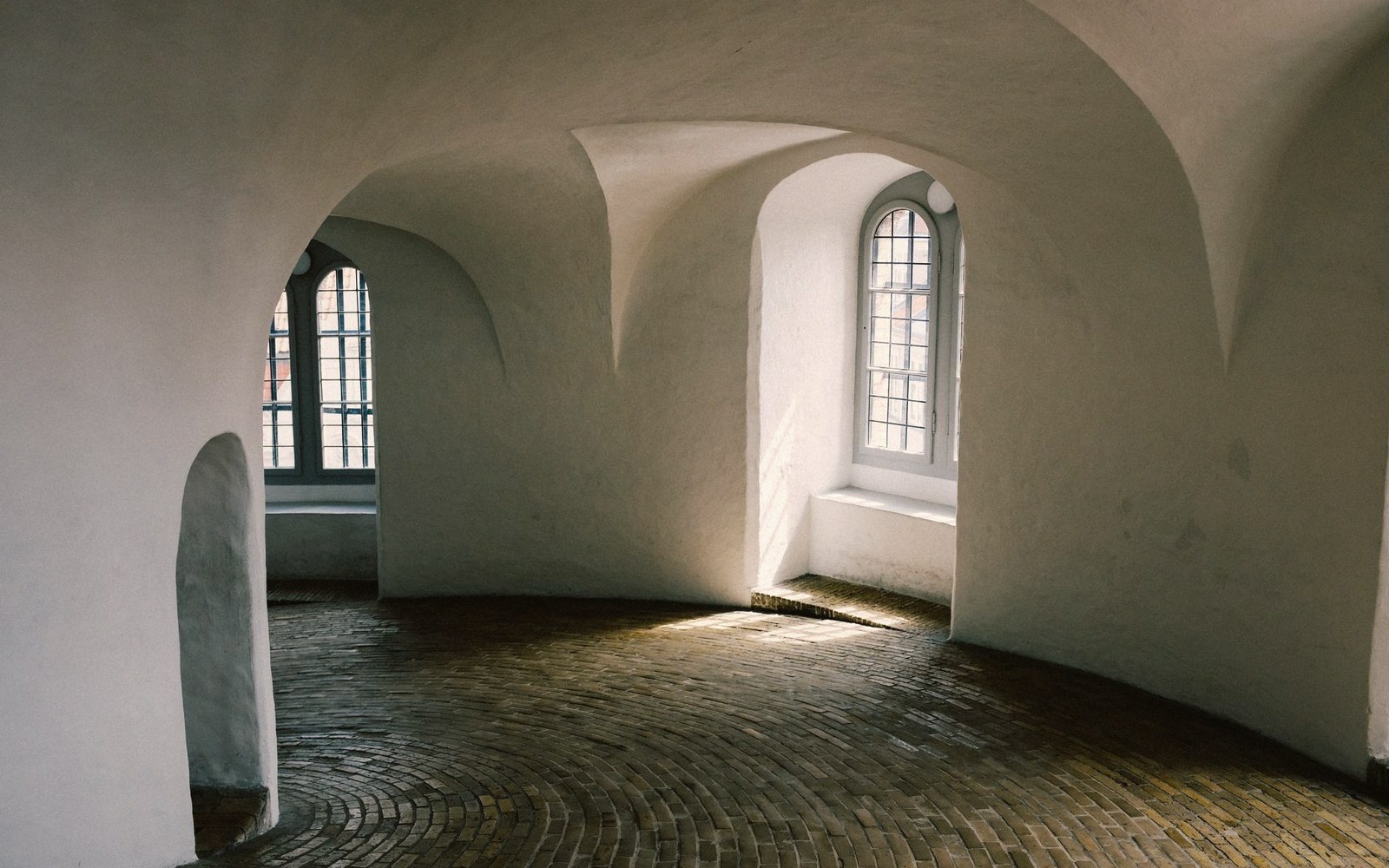
Experienced photographers learn to look at the schedule and immediately locate the gaps, the buffers and the transitions — the three minutes while guests file into the ceremony room, the ten minutes while the caterers reset. Those intervals are not on anyone else's list. They are where a lot of the pictures happen.
Where time goes
The portrait session is the slot most photographers and couples discuss in advance, and it is the slot most likely to slip. A ceremony runs long; a speech runs very long; someone important has not arrived. Each delay is absorbed somewhere, and it is absorbed from the portrait window because dinner cannot move. A photographer who planned for twenty minutes should be ready to work in twelve, and the ones who know a venue well will have already walked the route, noted the north-facing corridor with the soft window light, and identified a second option if the courtyard is in hard shadow by four.
Weather is a separate variable that does not appear on any timetable. An overcast sky is often kinder than direct sun — it scatters light evenly and removes the problem of squinting subjects — but a specific shot planned for an outdoor terrace disappears when it rains. Photographers working consistently in one region develop a read on seasonal light conditions that informs how tightly they hold to a planned location and how quickly they move to a fallback.
The hours nobody thinks about are early and late. Before the ceremony, while the room is still empty, is often the only chance to photograph the dressed space without people in it — the arrangement on the table, the order of service on every seat. Working light does not wait for a schedule entry. After the first dance, the room shifts into low artificial light and stays there; that is a different technical problem from the afternoon, and the camera settings that worked at three o'clock are useless at ten.
What the schedule actually hands you
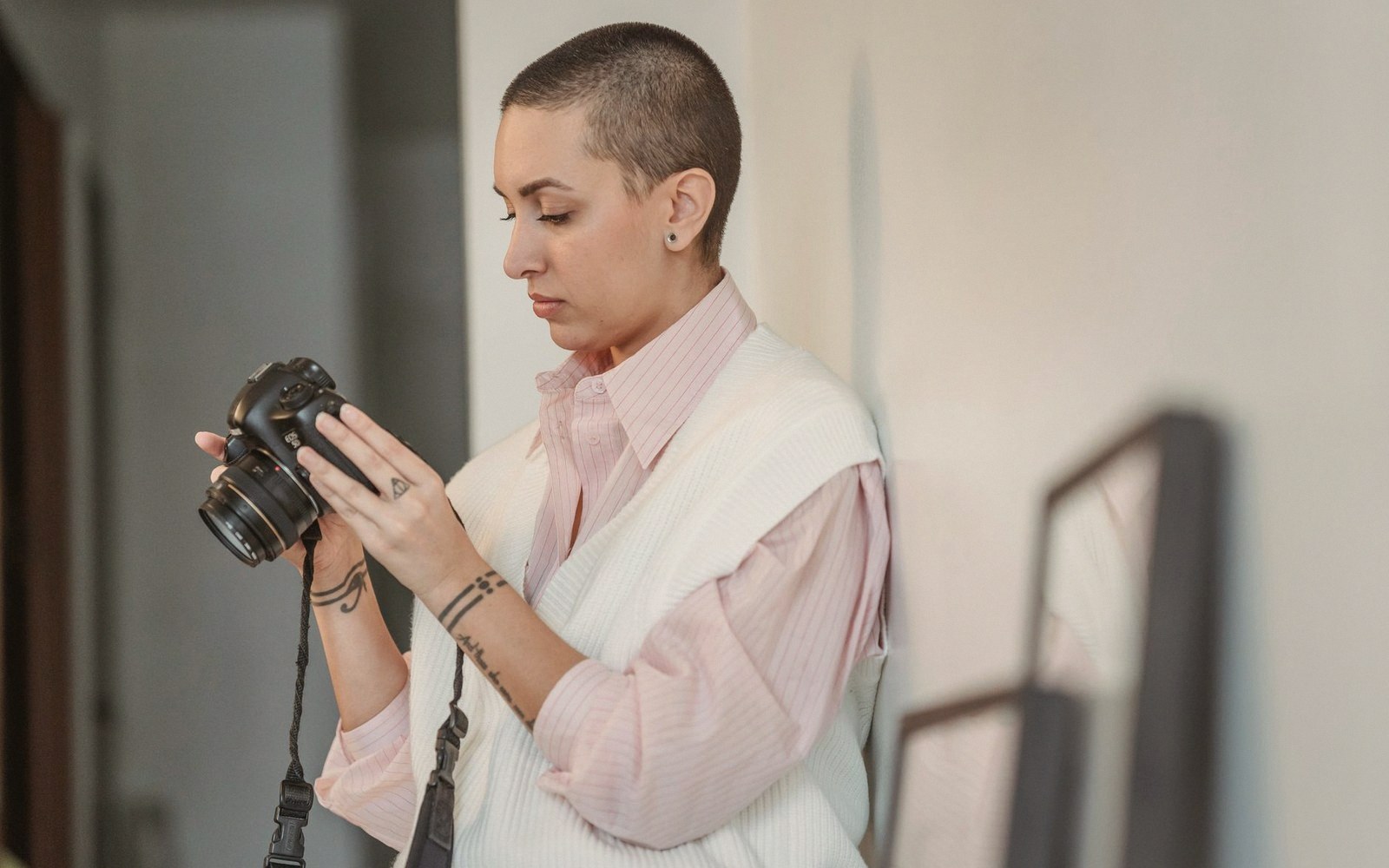
A timetable built by someone else is not an obstacle. It is a constraint, and constraints force decisions. The photographer who has read the schedule carefully, visited the venue, understood where the sun goes and which rooms hold natural light into the evening — that person does not need more time. They need to know what time they have, precisely, so that they can work inside it.
The pictures that feel loose and unplanned are usually the product of the tightest preparation. The candid of the parent at the reception, the light falling through a corridor window at five past four: those happen because someone knew the day well enough to be standing in the right place when it did.